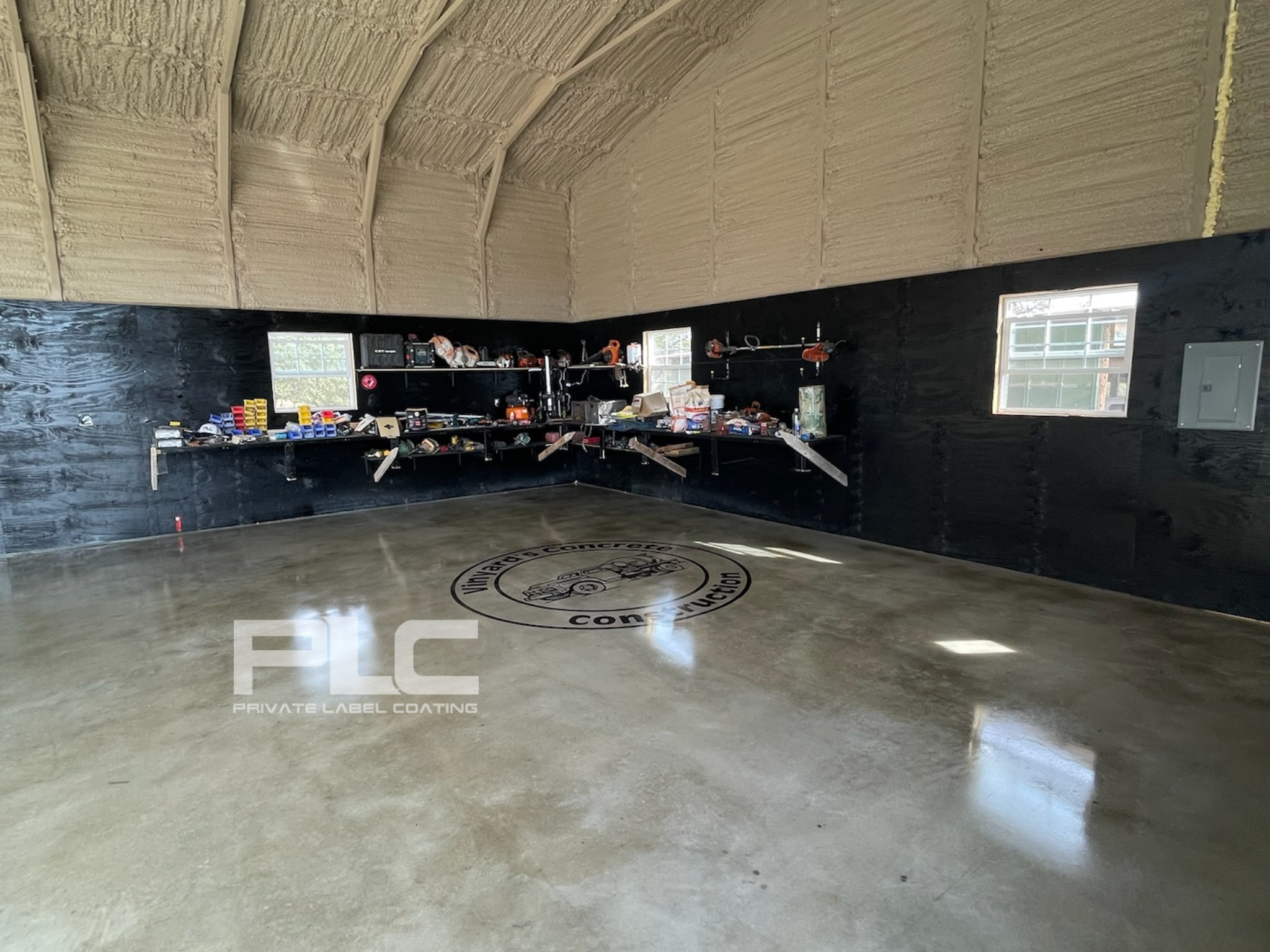
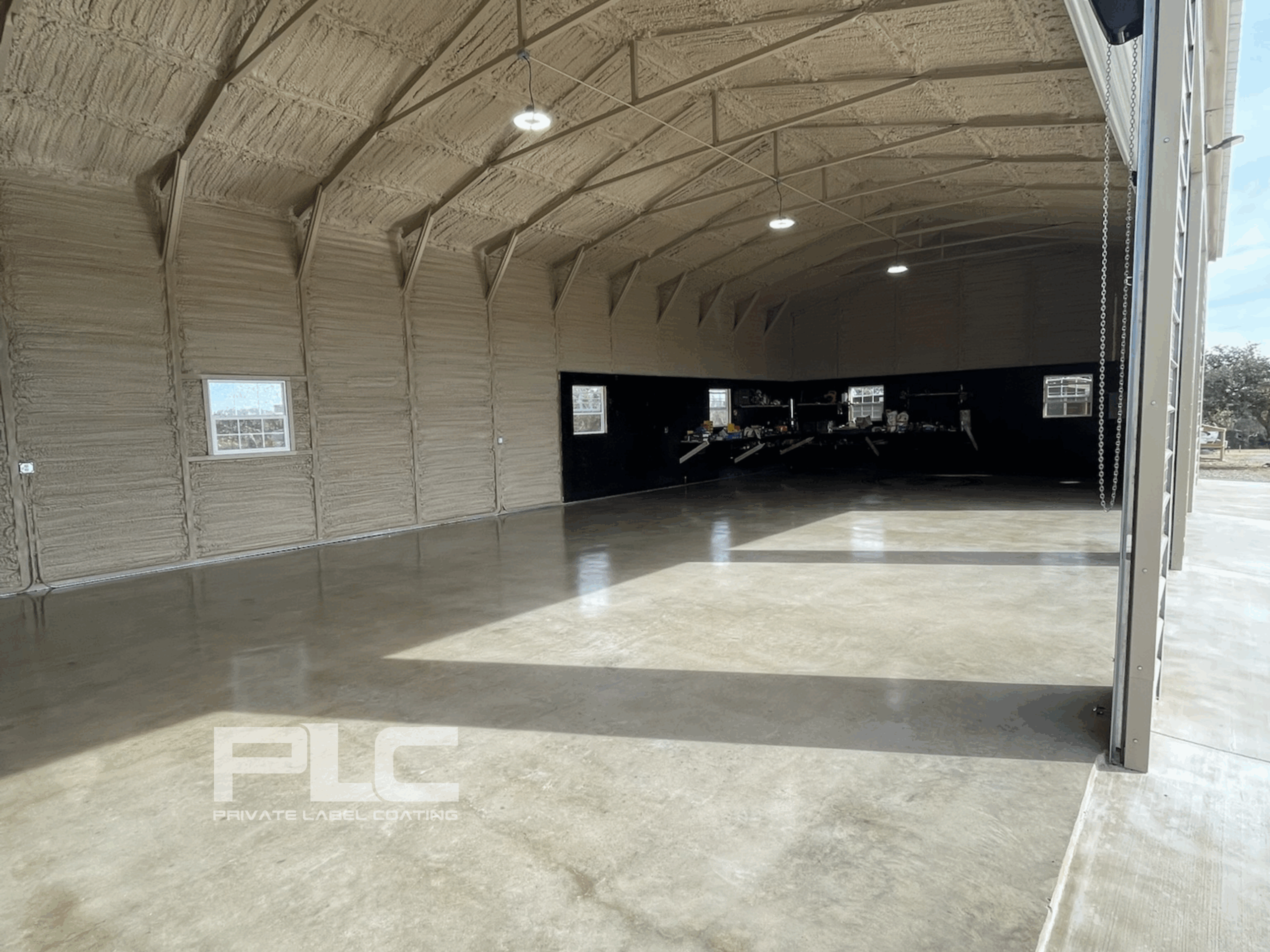
• How to Prep Concrete for Polishing: Why It Matters More Than You Think

    How to Prep Concrete for Polishing: Why It Matters More Than You Think

    Polished concrete floors are known for their sleek, durable finish and low maintenance appeal—but achieving that flawless result starts long before the shine. Proper concrete surface preparation is one of the most critical steps in the polishing process. Without it, even the most high-end polishing equipment or sealers won’t perform as expected.

    In this post, we’ll walk through what concrete prep involves, why it’s so important, and what you can expect when you hire a professional to do it right.

    Why Concrete Prep Is Essential Before Polishing

    Concrete polishing is not just a cosmetic procedure—it’s a multi-step mechanical process that requires a clean, uniform, and structurally sound surface. Skipping or rushing the prep stage can result in:

    • Uneven sheen or gloss
    • Exposed cracks or imperfections
    • Poor adhesion of densifiers or sealers
    • Reduced durability and lifespan

    At Private Label Coating, we take preparation seriously. Our goal is to create a smooth, defect-free surface that’s ready to take on the polishing process and hold up for years to come.

    Key Steps in Prepping Concrete for Polish

    1. Surface Cleaning & Debris Removal

    Before anything else, we clean the surface thoroughly. This includes sweeping, degreasing, and removing any adhesives, coatings, paints, or surface residues that may interfere with the grinding or polishing stages.

    2. Moisture Testing

    If moisture levels are too high, it can affect polishing results and lead to long-term issues like delamination or hazing. We check for vapor transmission and recommend moisture mitigation if necessary.

    3. Crack Repair & Patching

    Visible cracks or holes in the concrete are filled or repaired using specialized patching materials. These areas are then blended in to ensure they don’t stand out after polishing.

    4. Grinding with Metal Bond Tools

    We use industrial-grade grinders with metal bond diamond tooling to open the concrete’s surface. This step removes surface inconsistencies, old coatings, and helps flatten the slab, setting the stage for even polishing.

    5. Surface Profiling

    Depending on the level of gloss or aggregate exposure you want, we adjust our grinding process accordingly. This is when the final profile of your concrete begins to take shape.

    What to Expect from a Professional Prep Job

    When you hire Private Label Coating, you’re not just getting someone to run a grinder. You’re getting a precision-driven process tailored to your space and surface goals.

    Every project includes:

    • Site inspection and surface evaluation
    • Moisture and hardness testing (as needed)
    • Equipment and tooling selection specific to your concrete condition
    • Safety and dust control measures throughout

    Prep Today for a Better Finish Tomorrow

    The beauty and performance of polished concrete rely heavily on the prep work beneath it. If you want lasting shine, durability, and professional results, don’t cut corners—start with the right prep.

    Interested in learning more or getting a quote for your project?
    Contact Private Label Coating today to schedule a consultation.
  • Efflorescence: The Hidden Threat That Can Sabotage Your Concrete Coatings – And How to Stop It

    Efflorescence: The Hidden Threat That Can Sabotage Your Concrete Coatings – And How to Stop It

    At Private Label Coating (PLC), one of our core values is educating our clients and contractors about the science behind superior surface preparation. One of the most common (and often misunderstood) issues that can compromise the longevity of a concrete coating system is something called efflorescence.

    So let’s break it down—what it is, how it forms, and why it matters for your floor.

    What Is Efflorescence?

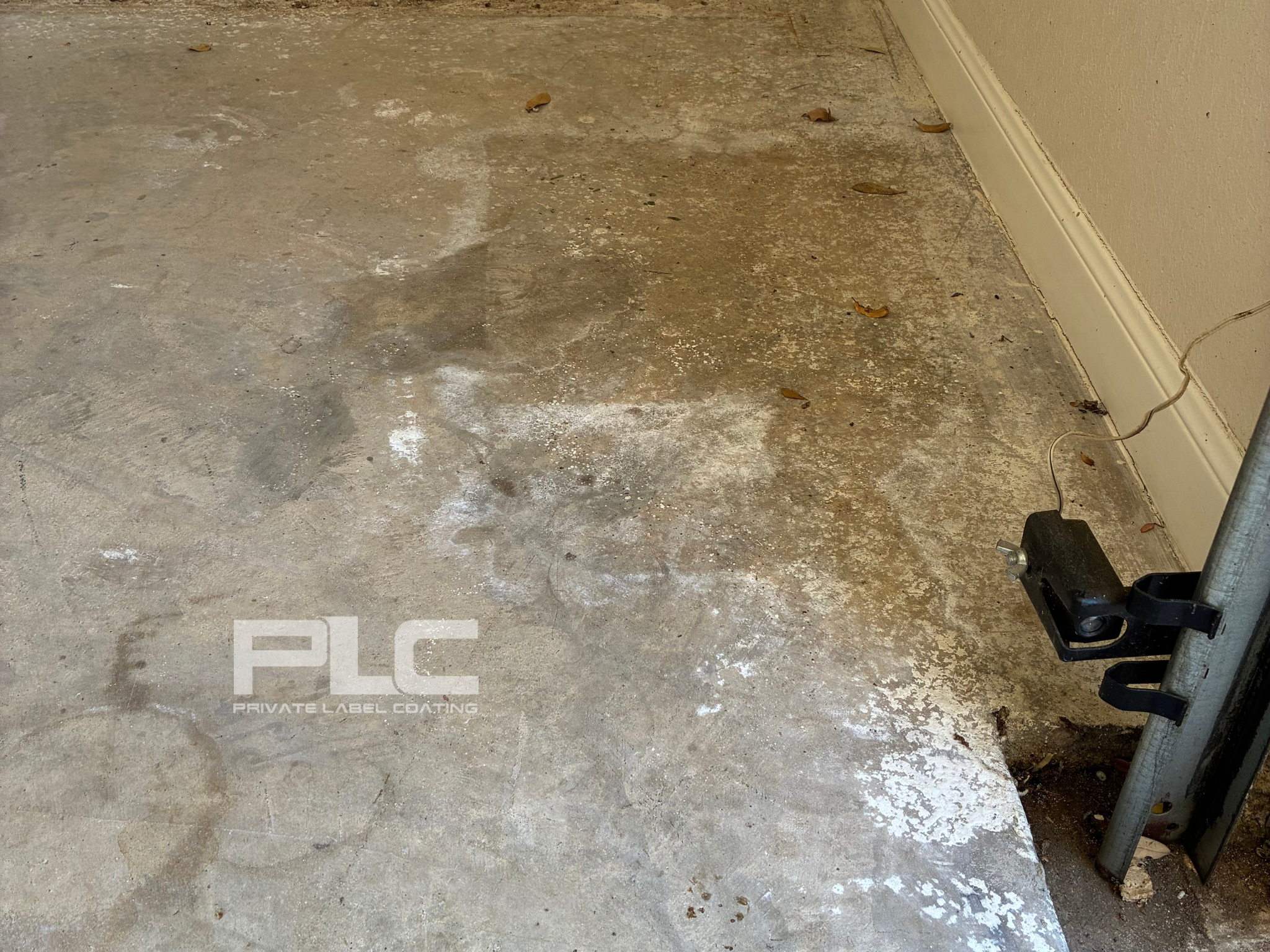
    Efflorescence is a white, chalky or powdery residue that appears on the surface of concrete, brick, or masonry. It may look like dust or even dried salt deposits — and that’s exactly what it is: mineral salts that have migrated through the concrete slab and crystallized on the surface.

    How Does Efflorescence Occur?

    Efflorescence is the result of three key factors coming together:

    • Water-soluble salts within the concrete slab or substrate
    • Moisture movement through the concrete (from beneath or above)
    • Evaporation at the surface, which leaves those salts behind as the water exits

    Here’s the process in simple terms:

    • Moisture enters the concrete (usually from below the slab or from humidity)
    • That moisture dissolves naturally occurring salts and minerals inside the concrete
    • As the water migrates upward, it carries those salts to the surface
    • When the water evaporates, it leaves behind a visible white residue — efflorescence

    Where Is Efflorescence Most Common?

    • Garage floors
    • Basements
    • Outdoor patios
    • Driveways
    • New concrete pours (within the first year)

    It’s especially common in areas with:

    • High humidity
    • Poor drainage
    • Improper vapor barriers under the slab

    Why Efflorescence Matters in Coating Systems

    Efflorescence isn’t just cosmetic — it can cause major adhesion issues with epoxy, polyaspartic, and other resinous coatings.

    Here’s what can happen if not addressed:

    • Coating failure or peeling
    • Delamination from the substrate
    • Bubbles or pinholes in the coating
    • Shortened lifespan of the floor system

    Even worse, coating over efflorescence without resolving the underlying moisture issues will often trap moisture, accelerating future damage.

    How We Prevent and Treat Efflorescence at PLC

    At Private Label Coating, we’ve developed strict protocols for surface prep that address efflorescence before a single drop of coating goes down:

    • Moisture testing before installation (calcium chloride or RH tests)
    • Mechanical surface profiling (grinding or shot blasting) to remove surface contaminants
    • Efflorescence-specific cleaners or etching agents when necessary
    • Vapor barrier primers or moisture mitigation systems, if warranted
    • Proper cure time for new slabs before coating

    We also educate contractors and customers on things like drainage, ventilation, and post-install care to prevent recurrence.

    Is Efflorescence a One-Time Problem?

    Not always — efflorescence can come back, especially if the root cause (moisture intrusion) isn’t resolved. That’s why professional prep and coating systems must account for moisture movement before and after installation.

    Final Thoughts from the PLC Team

    Efflorescence is common — but that doesn’t mean it should be ignored. At PLC, we believe that education and preparation are what set apart a good coating job from a great one. Our goal is to protect your investment by delivering coatings that not only look amazing — but last for years to come.

    Whether you’re a homeowner looking to protect your garage floor or a contractor seeking next-level training and coating systems, we’re here to help you get it done right.al program and a discount on your first maintenance service.

    Contact Us Today

    Bryan: (830) 928-1945

    bryan.fuelexpert@gmail.com

  • Breathe New Life Into Your Floors: The Affordable Upgrade You Need Now

    Breathe New Life Into Your Floors: The Affordable Upgrade You Need Now

    What exactly is floor resurfacing, and why is it one of the smartest ways to upgrade your space?

    Over time, all types of floors—concrete, tile, terrazzo, stone—begin to show signs of wear. Signs of wear can be anything from cracks, discoloration, outdated finishes..

     But instead of replacing the entire floor, resurfacing allows you to restore, strengthen, and customize what’s already there. 

    Benefits of Concrete Resurfacing

    • Cost-effective alternative to replacement
    • Aesthetic upgrade (modern, custom finishes)
    • Improved durability and longevity
    • Enhanced property value

    The process can involve anything from mechanical preparation and crack repair, to leveling systems, skim coats, decorative overlays, and high-performance finishes. It’s a flexible system that adapts to your needs.

    Resurfacing isn’t one-size-fits-all. Whether you need a slip-resistant finish for safety, a polished surface for style, or a moisture-resistant barrier for high-traffic areas — there’s a solution for it.

    At Private Label Coating, we help you bring out the best in your floors — not just with products, but with the right process and craftsmanship. 

    Types of Resurfacing Solutions We Offer at PLC

    • Concrete staining (interior & exterior)
    • Polished concrete
    • Epoxy flake systems
    • Terrazzo refinishing
    • Concrete overlays & microtoppings
    • Skim coats and leveling
    • Moisture mitigation coatings
    • Sealing & protective topcoats (gloss, satin, matte)

    Resurfacing gives your space a second chance… and a whole new look.

    What Makes PLC Different

    • Local expertise
    • Custom finishes tailored to your space
    • Advanced surface prep methods (diamond grinding, crack repair)
    • Industrial-grade materials
    • Long-term maintenance plans

    Follow us for more tips, before-and-afters, and expert insights into flooring systems that perform — wherever life takes you.

  • The Ultimate Concrete Flooring Timeline: Key Steps for a Flawless FinishConcrete Polishing

    The Ultimate Concrete Flooring Timeline: Key Steps for a Flawless FinishConcrete Polishing

    General Considerations for Scheduling

    Exposed concrete floors demand a unique process compared to tile, wood, or carpet. If the floors need scoring or aggregate exposure, ideally, this should occur before framing. While it’s possible to work with walls already up, it’s preferable to handle this on an open slab.

    Floor grinding involves progressively finer abrasives—a process known as honing and polishing. Honing, staining, densifying, polishing, and stain-guarding should be scheduled after the structure is fully dried-in but before drywall installation. These are wet and messy processes, and finishing them early reduces the risk of damaging unprocessed concrete.

    Once these steps are complete, temporary floor protection should be applied. Avoid taping directly to the concrete by using a thin paper around the perimeter, which can double as masking when trim is painted. If the drywall team leaves a mess or the trim carpenter needs the old paper removed, ensure it’s promptly replaced.

    Early engagement is key; some client requests may require coordination at the concrete placement stage.

    Concrete Placement Tips

    Control joints are often under-specified in residential construction. For better results, cut control joints at least 1/4 of the slab depth within the first 24 hours, and consider adding tensile strength with a second layer of reinforcement near the slab’s surface.

    For a deeper understanding of mix design and curing, refer to resources like the Portland Cement Association’s videos. When working with your concrete team, ask questions that draw out their best work and consider offering incentives, like pizza or beer, to encourage quality work throughout the day.

    Avoid curing blankets; water curing is ideal. You can create a 1” pond over the slab or use a sprinkler, ensuring the slab stays hydrated. Let your team handle the process they are most comfortable with, but consider ordering a more cement-rich mix for the interior slab to ensure a better finish.

    Tips for Framing

    Do not stack lumber on the slab longer than necessary, as it can cause discoloration. Avoid spilling air-tool oil on the slab, as it seals the concrete, preventing stains. Clean any spills promptly and use blue chalk instead of red, as red chalk can bond chemically to the concrete.

    Tips for MEP (Mechanical, Electrical, and Plumbing)

    Install conduits under the reinforcement during the slab rough-in. If you miss a slab penetration, notify us early, and we can offer creative solutions that might even enhance the client’s satisfaction.

    Tips for Spray Foam Installation

    Ideally, install spray foam insulation after our work is complete to avoid complications. If you must install before us, ensure the floor is properly masked.

    Tips for Trim Carpentry

    If drywall leaves a mess, and you want to avoid installing trim on textured paper, replace the paper instead of just removing it. We can assist with this work if needed. When setting cabinets that will be finished in place, replace ram-board with paper to function as masking.

    Tips for Painting

    Avoid taping directly to the floor, and if you must, remove the tape as soon as possible. A spray shield and solvent-soaked rag can fix mistakes without causing damage to the floor finish.

    Tips for Masonry

    When working indoors, use OSB or similar material over ram-board to protect the floor from falling debris. Avoid taping directly to indoor floors, and if working outdoors on acid-stained concrete sealed with acrylic, limit taping to seven days or less.

    Tips for the Final Polish

    Schedule the final polish after appliances are installed and during the final cleaning phase. This step is optional, depending on whether you prefer a matte finish or want the additional shine from the final polish. The final polish process is more about detailing than a full refinish, and it should be timed to avoid the need for a repeat polish.They walked out onto the deck. All the buildings and smoke had vanished, and the ship was in a vast expanse of sea, fresh and clear yet faint in the morning light.

    They had departed from the city lying in the mud. A very thin silhouette stretched on the horizon, barely strong enough to support the weight of a distant city, which still lay upon it. They were free from paths, free from people, and a shared sense of liberation filled them all.