• Why Every Stained Concrete Floor Looks Different — And How to Get the Look You Want

    Why Every Stained Concrete Floor Looks Different — And How to Get the Look You Want

    When it comes to stained polished concrete, no two floors are ever exactly alike — and that’s part of the beauty. Stains bring depth, warmth, and character to a space, but they also interact with each concrete slab in unique ways. If you’ve ever wondered why a stain might look slightly different from a sample or project photo, the answer lies in the natural variation of concrete itself.

    At Private Label Coating, we believe in educating clients so they know what to expect and can fully appreciate the one-of-a-kind results that stained concrete delivers.

    1. The Nature of the Slab

    Concrete is never a perfectly uniform material. Its color, density, and surface texture are influenced by:

    • Mix design (cement, aggregates, and additives used)
    • Age of the concrete (newer slabs may absorb differently than older ones)
    • Moisture content at the time of staining

    All of these factors change how a stain penetrates and reacts, meaning even two floors poured on the same day can finish with slightly different tones.

    2. Porosity Plays a Big Role

    The more porous the concrete, the deeper the stain can penetrate. Dense, tightly finished slabs may take stain lightly, resulting in softer, more subtle color. On the other hand, a more open or porous surface can create richer, darker hues.

    This variation is what gives stained polished concrete its artistic, organic feel — you’ll never get a “flat” or cookie-cutter look.

    3. Surface Preparation Matters

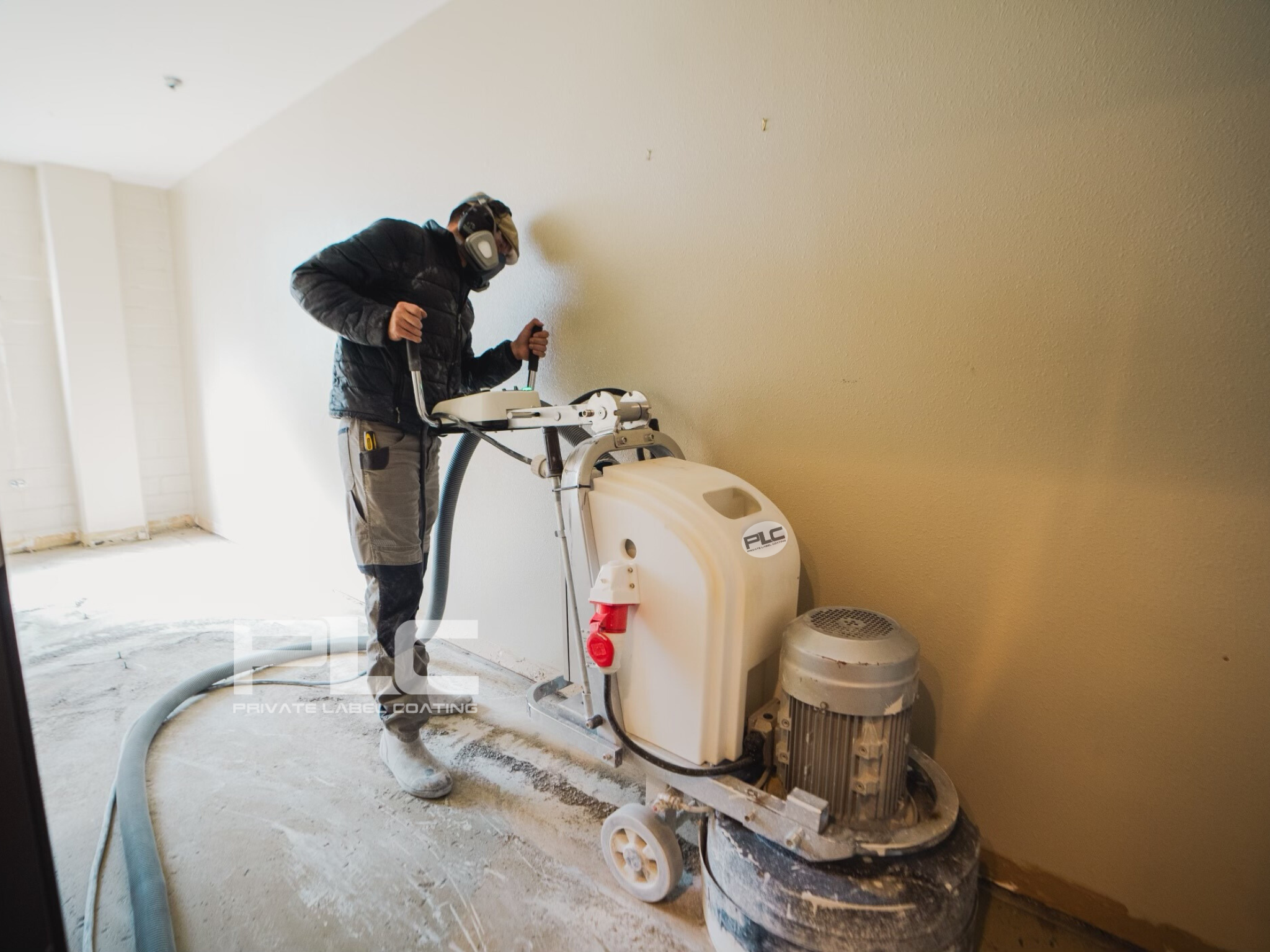
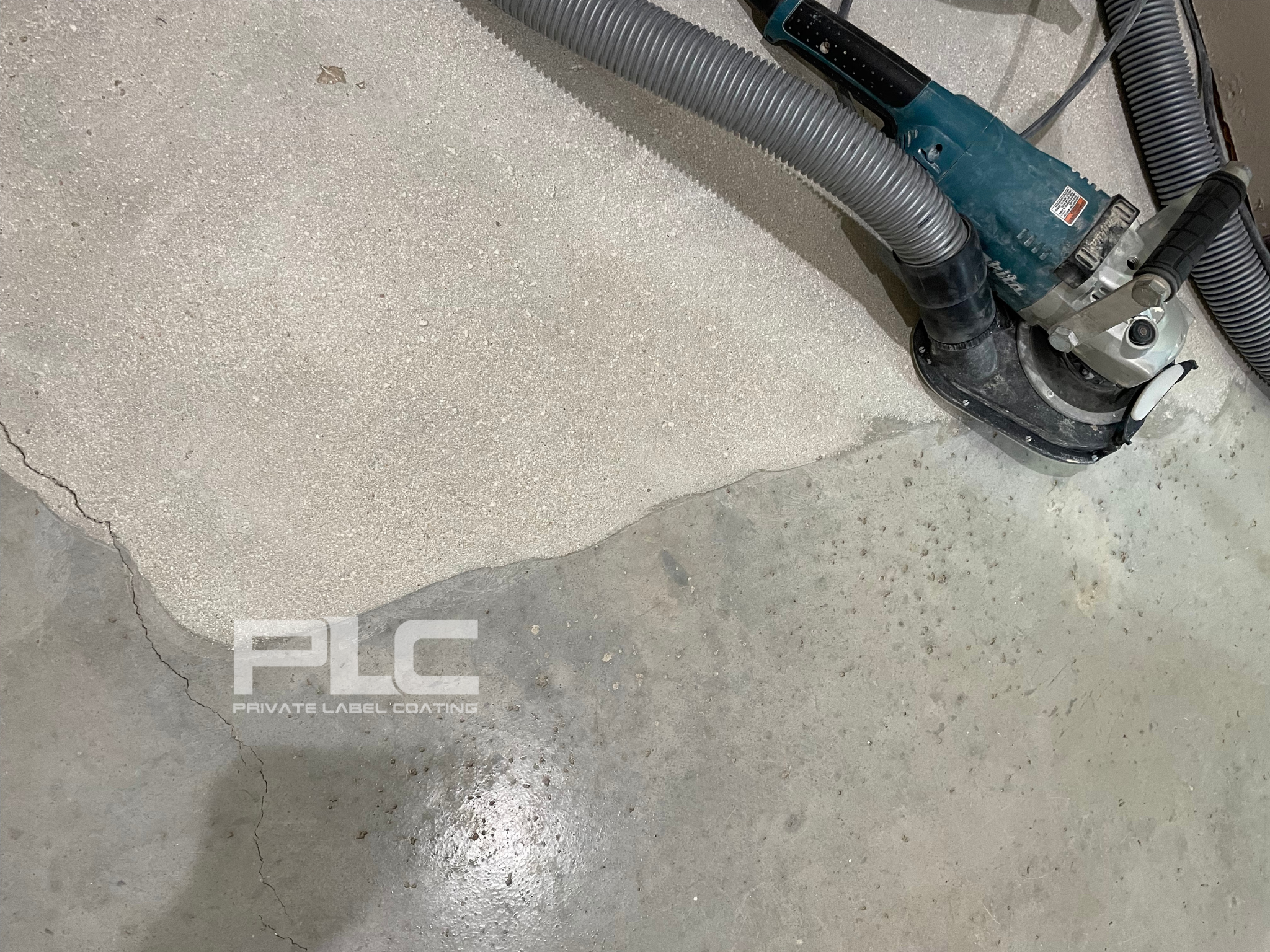
    How the surface is prepped before staining makes a huge difference. At PLC, we carefully grind, clean, and prep the slab so it’s ready to accept stain evenly. Any residue, sealers, or imperfections left behind can block absorption in spots, which is why professional prep is essential for a clean finish.

    4. Finish Levels Change the Look

    Stained concrete comes in different sheen levels — matte, satin, or high-gloss. The high gloss, the more light reflects, and the richer and more translucent the stain appears. Matte finish levels give a softer, earthier look. 

    5. The Beauty of One-of-a-Kind Floors

    Some people expect stain to look exactly like paint — solid and uniform. But that’s not the purpose of concrete stain. Instead, it highlights natural variation, bringing movement, depth, and character into the floor. The results are often compared to stone, leather, or marble.

    That’s why no two stained polished concrete projects will ever be identical. Each slab tells its own story.

    Stained Concrete Color Trends for 2025

    Stained polished concrete isn’t just durable — it’s stylish. Here are some of the most popular stain colors clients are requesting right now:

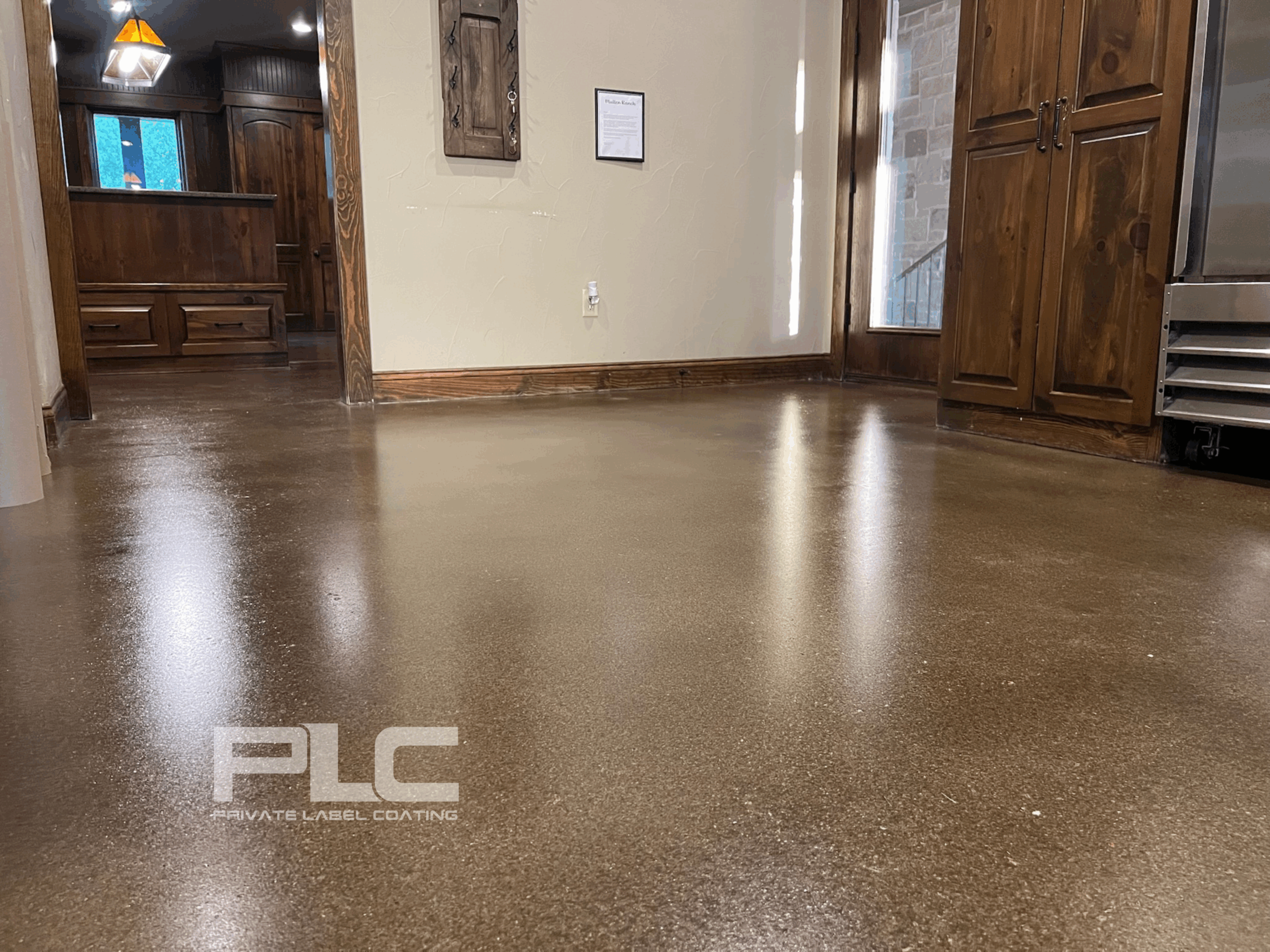
    • Coffee & Mocha Browns
      Rich, earthy tones that create warmth and elegance. Perfect for residential living spaces or commercial settings that want a grounded, natural look.
    • Warm Gray & Greige
      A modern favorite, blending gray with subtle brown undertones for a sleek but welcoming feel. Works beautifully in retail, office, and contemporary homes.
    • Charcoal & Black Marble Effects
      Darker stains are trending for bold, upscale designs. When polished to a high gloss, these floors can resemble luxury stone or marble.
    • Copper & Bronze Accents
      Metallic-inspired stains that catch light and bring energy to the floor. A top choice for restaurants, breweries, and boutique retail spaces.
    • Soft Sandstone & Taupe
      Neutral tones that mimic natural stone, offering timeless appeal and pairing well with any design style.
    • Deep Blue & Teal Highlights
      While more niche, these dyes/stains are growing in popularity for creative projects — adding pops of color to artistic, branded, or statement-making floors.

    Why Trust PLC for Stained Polished Concrete

    With years of experience, Private Label Coating understands how to anticipate and manage variation for stunning results. We choose the right products, prepare the surface meticulously, and communicate with clients every step of the way so the final floor is something they’ll love for decades.

    Thinking about stained polished concrete for your home or business? Contact PLC today and let’s bring out the natural beauty of your concrete.
  • Texas Heat Can Ruin Your Concrete Coating — Unless You Know These Pro Secrets

    Texas Heat Can Ruin Your Concrete Coating — Unless You Know These Pro Secrets

    Texas summers don’t mess around. With temperatures regularly soaring into the triple digits, it’s not just people and pets who feel the heat — your concrete coatings do, too. Whether it’s epoxy, polyaspartic, or overlay systems, high heat can dramatically shorten cure times and reduce your margin for error.

    In these conditions, you don’t just need any crew — you need a team that knows exactly how to work smart, fast, and right the first time. That’s where Private Label Coating comes in.


    Heat Changes Everything

    Concrete coatings and overlay systems are designed to cure within a specific temperature range, usually around 70°F to 85°F. But in the Texas sun? You’re often working on a slab that’s 100°F or hotter by mid-morning — and that changes the entire game.

    When temperatures spike:

    • Epoxies begin to cure too quickly, reducing your working time and increasing the risk of roller marks or uneven finishes.
    • Polyaspartics, already known for their fast cure times, can flash cure in minutes — leaving no time for error or correction.
    • Overlays and microtoppings can dry too rapidly to properly bond, leading to cracks, flaking, or outright failure.

    High temps also affect moisture evaporation, increasing the risk of trapped air, bubbles, or delamination. What you get is a rushed application and a vulnerable floor — unless you know how to handle it.


    Inexperience Shows in the Heat

    When materials cure faster than expected, there’s no room for hesitation. The difference between a flawless floor and a costly do-over often comes down to timing, prep, and technique.

    Inexperienced crews may:

    • Mix large batches that cure before they’re applied
    • Fail to adjust for slab temperatures or humidity
    • Leave behind visual defects or structural weaknesses

    And with Texas clients expecting top-tier results, there’s simply no excuse for a job that doesn’t hold up.


    How PLC Works Smarter (and Faster) in the Heat

    At Private Label Coating, we’ve spent years mastering the art of concrete coatings — and that includes working in Texas’ most extreme temperatures. Our methods are built for this climate:

    • Small batch mixing to extend working time
    • Adjusting product ratios where appropriate for temperature-specific applications
    • Working in cooler windows — early mornings, evenings, or overnight as needed
    • Using shade structures or tenting where possible to reduce surface heat
    • Fast, skilled teams that know how to move quickly without compromising quality

    We don’t guess — we know. And we bring that precision to every slab, every coat, and every finish.


    Count on Private Label Coating to Get It Done Right

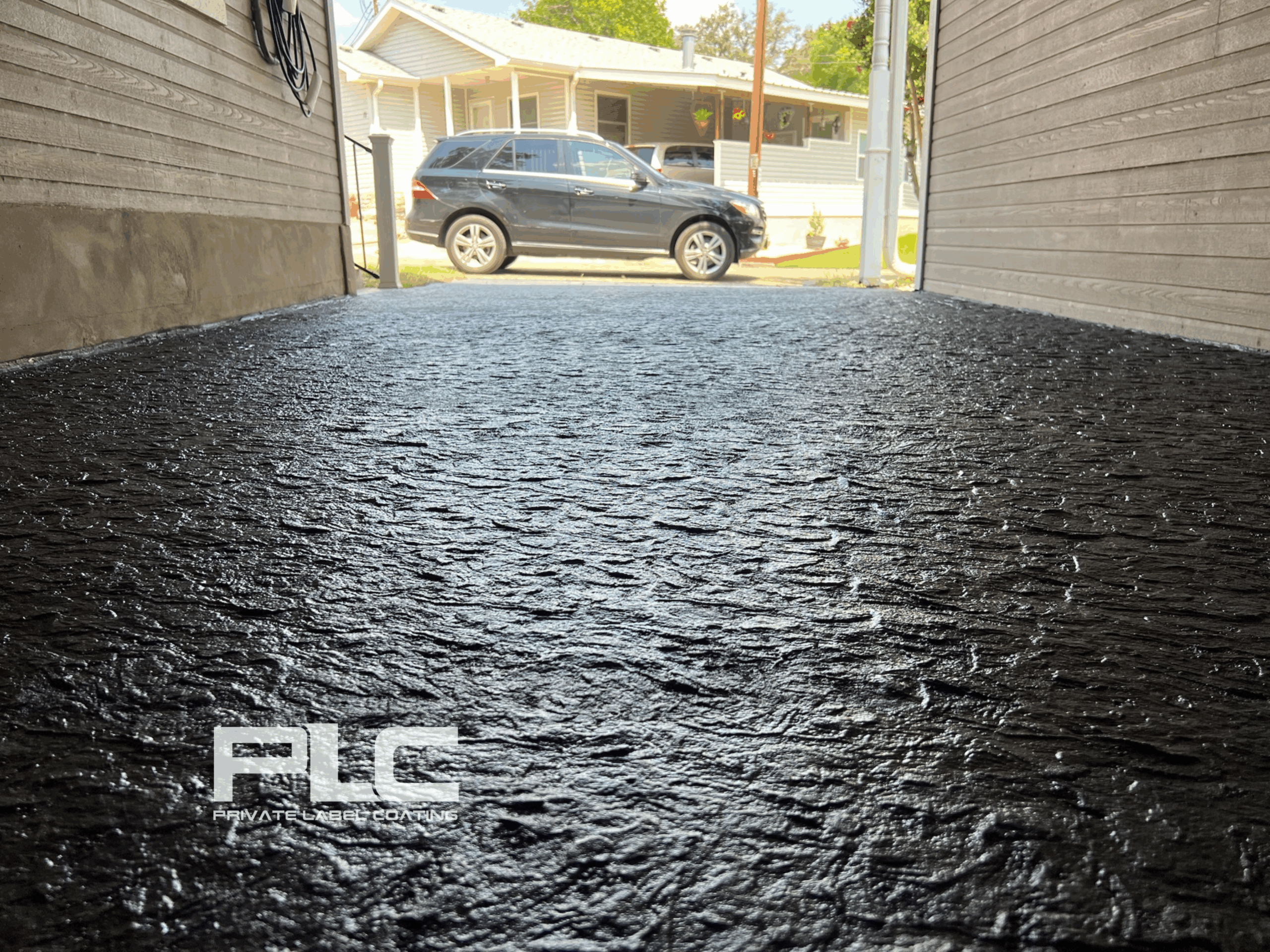
    When heat threatens the outcome of your project, you need more than good intentions — you need proven expertise. At Private Label Coating, we don’t cut corners, and we don’t miss deadlines. We adapt to the elements, protect your investment, and deliver results that hold up long after the heat has passed.

    Ready to schedule your summer project?
    Let’s talk. We’ll show you what it means to work with pros who are built for Texas.

  • Concrete Resurfacing: A  Proven, Cost-Effective Way to Revitalize Your Floors

    Concrete Resurfacing: A Proven, Cost-Effective Way to Revitalize Your Floors

    When it comes to transforming your space, few upgrades are as impactful or cost-effective as concrete resurfacing. Whether you’re refreshing an aging garage, modernizing a commercial space, or elevating your outdoor patio, Private Label Coating (PLC) offers a wide range of resurfacing solutions that bring new life to existing concrete surfaces.

    What is Concrete Resurfacing?

    Concrete resurfacing is the process of restoring and enhancing existing concrete surfaces using specialized materials and techniques. Instead of tearing out and replacing old concrete, resurfacing allows you to upgrade the look, durability, and functionality of your floors without the mess, time, or high cost of full replacement.

    Why Choose Resurfacing Over Replacement?

    Resurfacing offers several advantages over complete concrete replacement:

    • Cost savings: Avoid the expense of demolition and new pours.
    • Aesthetic versatility: Choose from finishes like stained, polished, terrazzo, or epoxy.
    • Improved durability: Seal and protect your floor from damage, moisture, and wear.
    • Faster turnaround: Most resurfacing projects can be completed in a fraction of the time compared to replacement.
    • Sustainability: Reuse existing materials and reduce waste.

    Services Offered by PLC

    At PLC, we understand that every space has its own purpose, personality, and performance needs. That’s why we offer a comprehensive range of resurfacing options, including:

    • Concrete Staining – Interior or exterior stains that add color, depth, and character to concrete surfaces.
    • Polished Concrete – Sleek, low-maintenance surfaces ideal for commercial and industrial spaces.
    • Epoxy Flake Systems – Durable, decorative coatings perfect for garages, showrooms, and workspaces.
    • Concrete Overlays & Skim Coats – Smooth and level damaged or uneven surfaces with a fresh top layer.
    • Terrazzo Refinishing – Restore terrazzo flooring with polishing and protective topcoats.
    • Moisture Mitigation Systems – Prevent failures in coatings by addressing vapor transmission issues.
    • Sealing & Topcoats – Choose from matte, satin, or gloss finishes to enhance and protect your surface.

    Case Study: Tac Aero Hangar

    One of our recent resurfacing projects included a 12,000-square-foot hangar floor for Tac Aero. The floor system combined a pigmented primer, a pigmented 100 percent solids layer, and a pigmented urethane high-performance topcoat—delivering durability, safety, and style. This project is a perfect example of how PLC leverages advanced materials and meticulous preparation to produce long-lasting results.

    What Sets PLC Apart

    • Local craftsmanship with global standards
    • Meticulous floor preparation for a flawless finish
    • Custom-blended finishes tailored to each client’s design vision
    • Long-term maintenance plans for lasting beauty and performance

    Frequently Asked Questions

    How long does resurfacing take?
    Most projects are completed within two to five days, depending on the scope.

    Is the surface slippery when wet?
    We offer slip-resistant options and additives for enhanced safety.

    How do I maintain my resurfaced floor?
    Light cleaning, scheduled resealing, and avoiding harsh chemicals will keep your surface looking its best.

    Can resurfacing fix cracks?
    Yes, our process includes crack repair and surface grinding before application.

    Transform Your Floors Today

    Whether you need a garage, showroom, patio, warehouse, or commercial space resurfaced, PLC is your trusted partner for quality results. Let us bring your vision to life with durable and aesthetically pleasing finishes.

    Schedule a free consultation today and ask about our referral program and a discount on your first maintenance service.

    Contact Us Today

    Bryan: (830) 928-1945

    bryan.fuelexpert@gmail.com

  • The Ultimate Guide to Choosing the Right Concrete Finish for Your Space

    The Ultimate Guide to Choosing the Right Concrete Finish for Your Space

    When it comes to enhancing the durability and aesthetics of your concrete surfaces, selecting the right finish is key. At Private Label Coating, we specialize in custom concrete solutions that transform ordinary floors into high-performance, visually stunning surfaces. Whether you’re upgrading a retail space, warehouse, or residential area, understanding your options is essential for long-lasting results.

    Why Concrete Finishing Matters

    Concrete finishes not only improve the look of your floors but also enhance durability, safety, and maintenance. From polished concrete to epoxy coatings and decorative overlays, the right finish can protect your surface from wear and tear while adding value to your property.

    Popular Concrete Finishes

    1. Polished Concrete
      • Ideal for commercial spaces and high-traffic areas.
      • Provides a sleek, reflective surface that’s easy to maintain.
      • Durable, stain-resistant, and environmentally friendly.
    2. Epoxy Flooring
      • Perfect for industrial facilities and garages.
      • Highly resistant to chemicals, moisture, and heavy traffic.
      • Available in various colors and textures for customization.
    3. Concrete Staining
      • Great for both interior and exterior spaces.
      • Offers rich, vibrant colors that penetrate the concrete surface.
      • Low maintenance and long-lasting.
    4. Decorative Overlays & Microtoppings
      • Ideal for restoring old or damaged concrete surfaces.
      • Allows for custom patterns, textures, and finishes.
      • Cost-effective and versatile.
    5. Sealing & Protective Topcoats
      • Essential for protecting your concrete surface from stains and moisture.
      • Available in gloss, satin, or matte finishes.
      • Extends the lifespan of your flooring.

    How to Choose the Right Finish

    • Consider Your Space: High-traffic areas benefit from durable finishes like polished concrete or epoxy coatings.
    • Aesthetic Goals: For a sleek, modern look, polished concrete is ideal. For bold colors, opt for concrete staining.
    • Budget and Maintenance Needs: Epoxy and sealing options offer low-maintenance solutions for industrial settings.

    Why Choose Private Label Coating?

    With years of experience and a commitment to quality craftsmanship, Private Label Coating delivers tailored concrete solutions that meet your unique needs. Our advanced surface preparation methods, high-performance materials, and custom finishes ensure your floors look and perform at their best.

    Get Started Today

    Ready to transform your concrete floors? Contact Private Label Coating for a free consultation and discover the perfect finish for your space.

  • Breathe New Life Into Your Floors: The Affordable Upgrade You Need Now

    Breathe New Life Into Your Floors: The Affordable Upgrade You Need Now

    What exactly is floor resurfacing, and why is it one of the smartest ways to upgrade your space?

    Over time, all types of floors—concrete, tile, terrazzo, stone—begin to show signs of wear. Signs of wear can be anything from cracks, discoloration, outdated finishes..

     But instead of replacing the entire floor, resurfacing allows you to restore, strengthen, and customize what’s already there. 

    Benefits of Concrete Resurfacing

    • Cost-effective alternative to replacement
    • Aesthetic upgrade (modern, custom finishes)
    • Improved durability and longevity
    • Enhanced property value

    The process can involve anything from mechanical preparation and crack repair, to leveling systems, skim coats, decorative overlays, and high-performance finishes. It’s a flexible system that adapts to your needs.

    Resurfacing isn’t one-size-fits-all. Whether you need a slip-resistant finish for safety, a polished surface for style, or a moisture-resistant barrier for high-traffic areas — there’s a solution for it.

    At Private Label Coating, we help you bring out the best in your floors — not just with products, but with the right process and craftsmanship. 

    Types of Resurfacing Solutions We Offer at PLC

    • Concrete staining (interior & exterior)
    • Polished concrete
    • Epoxy flake systems
    • Terrazzo refinishing
    • Concrete overlays & microtoppings
    • Skim coats and leveling
    • Moisture mitigation coatings
    • Sealing & protective topcoats (gloss, satin, matte)

    Resurfacing gives your space a second chance… and a whole new look.

    What Makes PLC Different

    • Local expertise
    • Custom finishes tailored to your space
    • Advanced surface prep methods (diamond grinding, crack repair)
    • Industrial-grade materials
    • Long-term maintenance plans

    Follow us for more tips, before-and-afters, and expert insights into flooring systems that perform — wherever life takes you.

  • The Ultimate Concrete Flooring Timeline: Key Steps for a Flawless FinishConcrete Polishing

    The Ultimate Concrete Flooring Timeline: Key Steps for a Flawless FinishConcrete Polishing

    General Considerations for Scheduling

    Exposed concrete floors demand a unique process compared to tile, wood, or carpet. If the floors need scoring or aggregate exposure, ideally, this should occur before framing. While it’s possible to work with walls already up, it’s preferable to handle this on an open slab.

    Floor grinding involves progressively finer abrasives—a process known as honing and polishing. Honing, staining, densifying, polishing, and stain-guarding should be scheduled after the structure is fully dried-in but before drywall installation. These are wet and messy processes, and finishing them early reduces the risk of damaging unprocessed concrete.

    Once these steps are complete, temporary floor protection should be applied. Avoid taping directly to the concrete by using a thin paper around the perimeter, which can double as masking when trim is painted. If the drywall team leaves a mess or the trim carpenter needs the old paper removed, ensure it’s promptly replaced.

    Early engagement is key; some client requests may require coordination at the concrete placement stage.

    Concrete Placement Tips

    Control joints are often under-specified in residential construction. For better results, cut control joints at least 1/4 of the slab depth within the first 24 hours, and consider adding tensile strength with a second layer of reinforcement near the slab’s surface.

    For a deeper understanding of mix design and curing, refer to resources like the Portland Cement Association’s videos. When working with your concrete team, ask questions that draw out their best work and consider offering incentives, like pizza or beer, to encourage quality work throughout the day.

    Avoid curing blankets; water curing is ideal. You can create a 1” pond over the slab or use a sprinkler, ensuring the slab stays hydrated. Let your team handle the process they are most comfortable with, but consider ordering a more cement-rich mix for the interior slab to ensure a better finish.

    Tips for Framing

    Do not stack lumber on the slab longer than necessary, as it can cause discoloration. Avoid spilling air-tool oil on the slab, as it seals the concrete, preventing stains. Clean any spills promptly and use blue chalk instead of red, as red chalk can bond chemically to the concrete.

    Tips for MEP (Mechanical, Electrical, and Plumbing)

    Install conduits under the reinforcement during the slab rough-in. If you miss a slab penetration, notify us early, and we can offer creative solutions that might even enhance the client’s satisfaction.

    Tips for Spray Foam Installation

    Ideally, install spray foam insulation after our work is complete to avoid complications. If you must install before us, ensure the floor is properly masked.

    Tips for Trim Carpentry

    If drywall leaves a mess, and you want to avoid installing trim on textured paper, replace the paper instead of just removing it. We can assist with this work if needed. When setting cabinets that will be finished in place, replace ram-board with paper to function as masking.

    Tips for Painting

    Avoid taping directly to the floor, and if you must, remove the tape as soon as possible. A spray shield and solvent-soaked rag can fix mistakes without causing damage to the floor finish.

    Tips for Masonry

    When working indoors, use OSB or similar material over ram-board to protect the floor from falling debris. Avoid taping directly to indoor floors, and if working outdoors on acid-stained concrete sealed with acrylic, limit taping to seven days or less.

    Tips for the Final Polish

    Schedule the final polish after appliances are installed and during the final cleaning phase. This step is optional, depending on whether you prefer a matte finish or want the additional shine from the final polish. The final polish process is more about detailing than a full refinish, and it should be timed to avoid the need for a repeat polish.They walked out onto the deck. All the buildings and smoke had vanished, and the ship was in a vast expanse of sea, fresh and clear yet faint in the morning light.

    They had departed from the city lying in the mud. A very thin silhouette stretched on the horizon, barely strong enough to support the weight of a distant city, which still lay upon it. They were free from paths, free from people, and a shared sense of liberation filled them all.