• How to Prep Concrete for Polishing: Why It Matters More Than You Think

    How to Prep Concrete for Polishing: Why It Matters More Than You Think

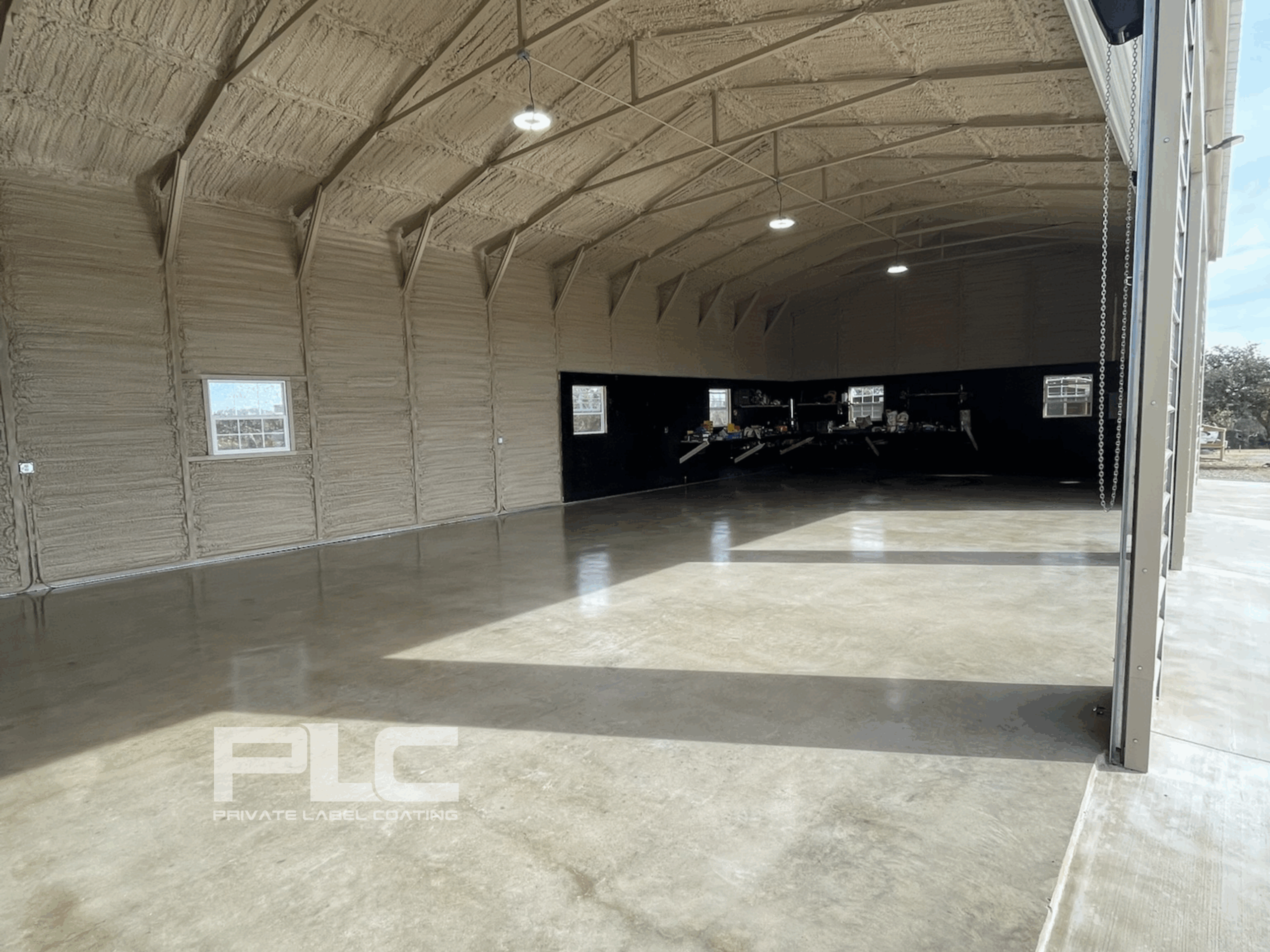
    Polished concrete floors are known for their sleek, durable finish and low maintenance appeal—but achieving that flawless result starts long before the shine. Proper concrete surface preparation is one of the most critical steps in the polishing process. Without it, even the most high-end polishing equipment or sealers won’t perform as expected.

    In this post, we’ll walk through what concrete prep involves, why it’s so important, and what you can expect when you hire a professional to do it right.

    Why Concrete Prep Is Essential Before Polishing

    Concrete polishing is not just a cosmetic procedure—it’s a multi-step mechanical process that requires a clean, uniform, and structurally sound surface. Skipping or rushing the prep stage can result in:

    • Uneven sheen or gloss
    • Exposed cracks or imperfections
    • Poor adhesion of densifiers or sealers
    • Reduced durability and lifespan

    At Private Label Coating, we take preparation seriously. Our goal is to create a smooth, defect-free surface that’s ready to take on the polishing process and hold up for years to come.

    Key Steps in Prepping Concrete for Polish

    1. Surface Cleaning & Debris Removal

    Before anything else, we clean the surface thoroughly. This includes sweeping, degreasing, and removing any adhesives, coatings, paints, or surface residues that may interfere with the grinding or polishing stages.

    2. Moisture Testing

    If moisture levels are too high, it can affect polishing results and lead to long-term issues like delamination or hazing. We check for vapor transmission and recommend moisture mitigation if necessary.

    3. Crack Repair & Patching

    Visible cracks or holes in the concrete are filled or repaired using specialized patching materials. These areas are then blended in to ensure they don’t stand out after polishing.

    4. Grinding with Metal Bond Tools

    We use industrial-grade grinders with metal bond diamond tooling to open the concrete’s surface. This step removes surface inconsistencies, old coatings, and helps flatten the slab, setting the stage for even polishing.

    5. Surface Profiling

    Depending on the level of gloss or aggregate exposure you want, we adjust our grinding process accordingly. This is when the final profile of your concrete begins to take shape.

    What to Expect from a Professional Prep Job

    When you hire Private Label Coating, you’re not just getting someone to run a grinder. You’re getting a precision-driven process tailored to your space and surface goals.

    Every project includes:

    • Site inspection and surface evaluation
    • Moisture and hardness testing (as needed)
    • Equipment and tooling selection specific to your concrete condition
    • Safety and dust control measures throughout

    Prep Today for a Better Finish Tomorrow

    The beauty and performance of polished concrete rely heavily on the prep work beneath it. If you want lasting shine, durability, and professional results, don’t cut corners—start with the right prep.

    Interested in learning more or getting a quote for your project?
    Contact Private Label Coating today to schedule a consultation.
  • Don’t Ruin Your Concrete Floor: Choose the Right Finish with This Expert Comparison

    Don’t Ruin Your Concrete Floor: Choose the Right Finish with This Expert Comparison

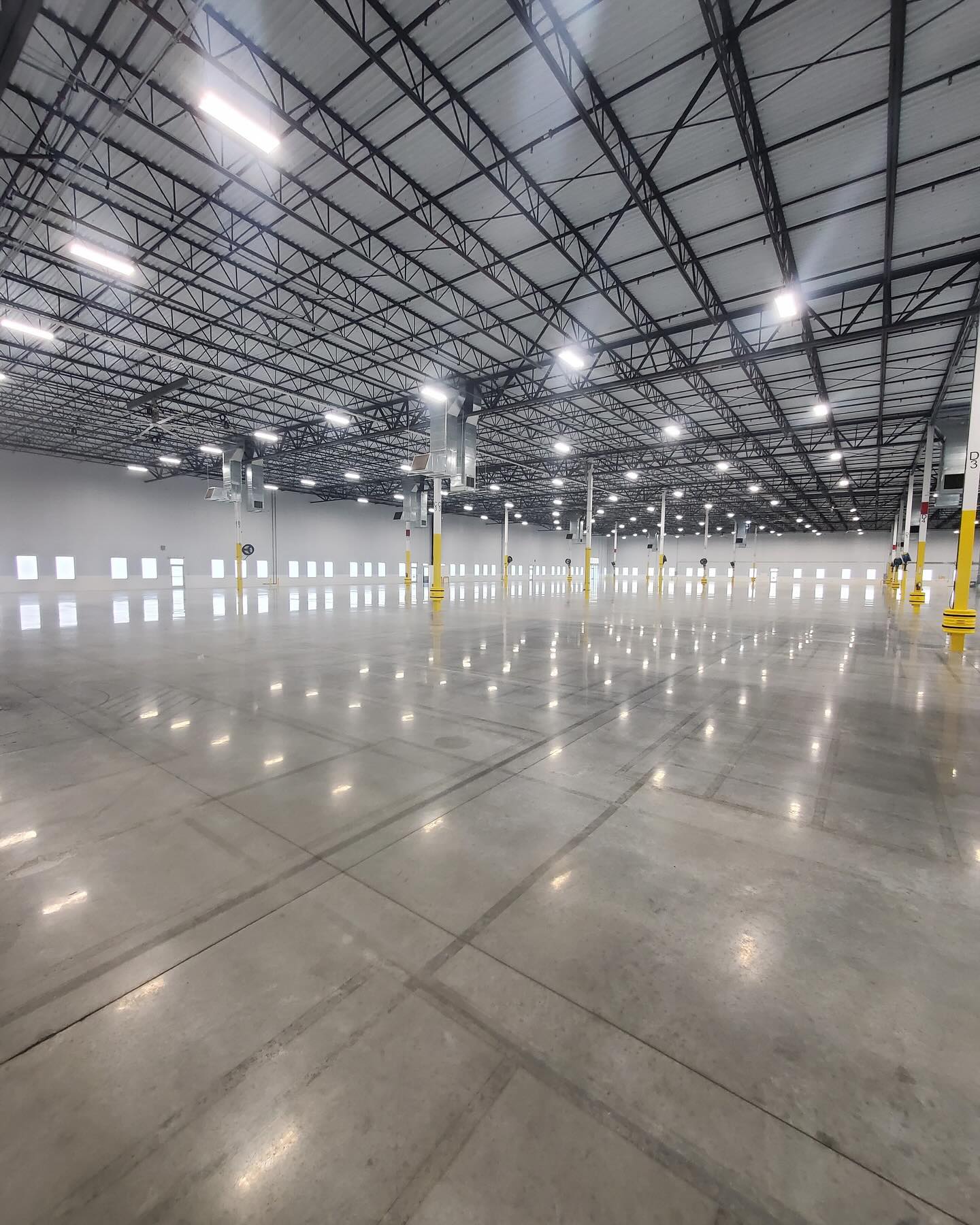
    When it comes to giving concrete a polished, refined look, there are two common methods: full mechanical diamond polishing and light pad polishing using a simple three-pad system. While they may produce similar visual results at first glance, the difference beneath the surface is significant—and it can make or break the long-term durability of your floor.

    So, which method is right for your space? Let’s dive into the key differences.


    What Is Traditional Diamond Polishing?

    Traditional diamond polishing is a multi-step mechanical process that involves grinding the concrete surface with metal-bonded diamonds to remove imperfections and expose fresh concrete. As the polishing progresses through finer grits, a densifier is applied to harden the surface. The final result is a glossy, stone-like finish that’s as durable as it is beautiful.

    • Key Benefits:
      • Extremely durable and long-lasting
      • Densifies and strengthens the surface
      • Low-maintenance, stain-resistant finish
      • Ideal for high-traffic areas

    This method isn’t just about aesthetics—it transforms the surface structurally, making it more resistant to wear and tear.


    What Is Light Pad Polishing (Buff & Shine)?

    Light pad polishing, often referred to as “buff and polish,” uses a three-pad system: coarse, medium, and soft. These pads lightly abrade the surface and bring out a temporary shine, but they don’t involve grinding or densification. It’s a surface-level treatment, not a structural improvement.

    • Key Benefits:
      • Quick and cost-effective
      • Good for refreshing appearance of existing polished concrete
      • Minimal downtime

    However, it’s important to understand that this method is cosmetic. It doesn’t address surface wear, harden the concrete, or improve durability. Over time, the shine fades and may require frequent reapplication.


    Major Differences at a Glance

    Durability:
    Traditional diamond polishing wins hands down. It densifies and strengthens the surface, making it highly resistant to foot traffic, abrasion, and stains. Pad polishing, by contrast, offers no structural improvements, and its shine is far more temporary.

    Maintenance Needs:
    Densified, polished concrete requires minimal upkeep—just regular cleaning. Pad-polished floors may need frequent buffing or recoating to maintain their appearance, which adds to long-term costs.

    Ideal Use Cases:
    Use diamond polishing in commercial spaces, retail environments, and high-traffic areas where performance and appearance matter.
    Use light pad polishing in residential spaces or for maintenance polishing on an already densified floor.


    So Which Should You Choose?

    If you want a finish that looks good today and performs years from now, mechanical diamond polishing is your best bet. It’s an investment in both form and function. If you just need to refresh the look of an existing floor for a short period—or are on a tight timeline—then light pad polishing can be a quick fix.

    At Private Label Coating, we tailor each surface solution to your needs. Whether you’re looking for a high-performance floor or a quick shine, we’ll help you choose the right process—and do it right the first time.


    Still unsure which polishing method fits your project?
    Visit PrivateLabelCoating.com or contact us today for a consultation. We’re here to make your floors stand out and stay strong.