• What to Know About Polyaspartic Coatings: Performance, Price & Precision

    What to Know About Polyaspartic Coatings: Performance, Price & Precision

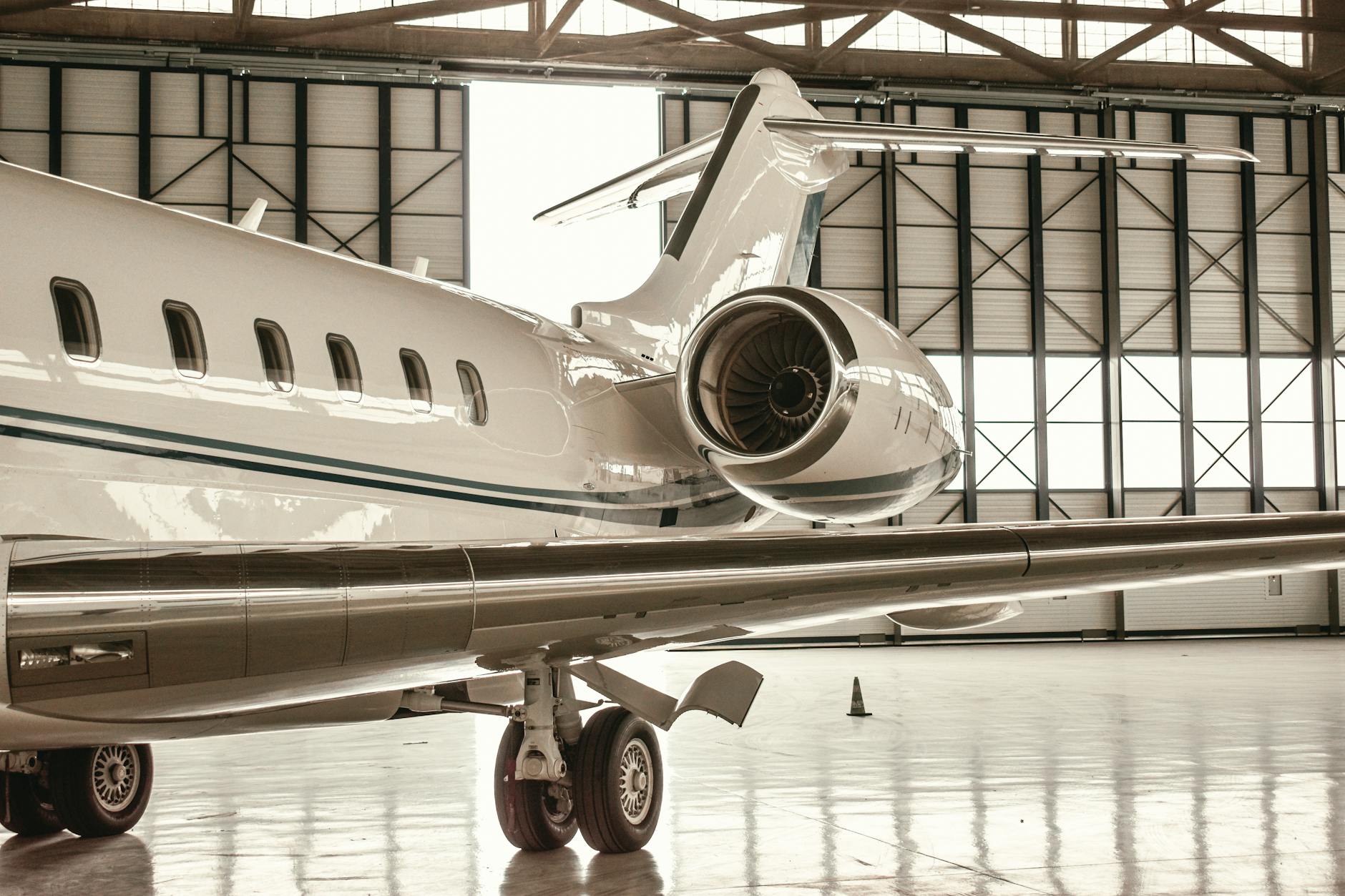
    When it comes to high-performance concrete coatings, polyaspartic has become a go-to for clients needing quick turnaround, durability, and a clean, modern finish. But while it offers major advantages in the right settings, it’s not the best choice for every project — especially for aviation hangars.

    What Is Polyaspartic?

    Polyaspartic is a fast-curing, UV-stable, polyurea-based coating that delivers:

    • 1–2 hour cure times
    • Excellent chemical and abrasion resistance
    • Long-lasting clarity and flexibility
    • Next-day return to service

    It’s ideal for garages, patios, commercial spaces, and even industrial floors — but not every environment benefits equally.

    Why Polyaspartic Isn’t Ideal for Aviation Hangars

    In hangars or aircraft maintenance environments, a polyaspartic-only system simply doesn’t hold up the way a proper multi-layer epoxy system does. Here’s why:

    Jet Fuel & Hydraulic Fluid Resistance:
    Polyaspartics can resist many chemicals, but aviation-grade fluids like Skydrol and jet fuel can break them down over time. A 100% solids epoxy system with a urethane topcoat provides superior long-term resistance.

    Film Build & Thickness:
    Polyaspartic systems are often applied thin (8–12 mils). Hangar floors require heavier build coats (20–40+ mils) to withstand heavy equipment, impact, and chemical loads.

    Layered Defense Matters:
    A three-layer system — typically primer, 100% solids epoxy build coat, and urethane or polyaspartic topcoat — offers:

    • Stronger chemical resistance
    • Higher impact durability
    • Longer service life
    • Easier repair and maintenance

    Cost vs. Longevity:
    While polyaspartic is faster and often more expensive upfront, epoxy systems are more cost-effective over time in demanding environments like aviation hangars.

    Bottom Line: Match the System to the Setting

    Polyaspartic is a premium coating option for the right project — but in aviation, where fuel, fluid, and function are critical, a high-build epoxy system with proper layering is the gold standard.

  • The Ultimate Aviation Flooring Showdown: Thin-Mil vs. High-Build Epoxy – Discover the Best Protection for Your Hangars and Maintenance Facilities

    The Ultimate Aviation Flooring Showdown: Thin-Mil vs. High-Build Epoxy – Discover the Best Protection for Your Hangars and Maintenance Facilities

    Aviation facilities demand high-performance flooring that can withstand heavy loads, frequent traffic, and exposure to harsh chemicals like jet fuel and hydraulic fluids. Selecting the right epoxy coating—whether thin-mil or high-build—plays a crucial role in ensuring durability, safety, and long-term cost savings. This guide explores the differences between thin-mil and high-build epoxy to help you determine the best choice for your aviation flooring needs.

    What is Thin-Mil Epoxy?

    Thin-mil epoxy coatings are lightweight, durable solutions. They are composed of resin and hardener that cure into a seamless, glossy finish.

    Best Applications for Thin-Mil Epoxy:

    • Light-duty hangars and aircraft storage areas.
    • Office and administrative sections within aviation facilities.
    • Low-traffic zones where heavy impact resistance isn’t a top priority.

    Benefits of Thin-Mil Epoxy:

    • Cost-Effective: Requires fewer materials, making it a budget-friendly option.
    • Quick Installation: Cures faster, minimizing downtime.
    • Glossy Aesthetic: Provides a smooth, high-shine surface that enhances lighting.

    Limitations of Thin-Mil Epoxy:

    • Lower Durability: Less resistant to heavy aircraft loads and impact.
    • Limited Chemical Resistance: May degrade over time with exposure to aviation fluids.
    • Minimal Thickness: Offers less protection against cracks and wear.

    What is High-Build Epoxy?

    High-build epoxy coatings provide a thicker, more robust surface. These coatings are designed for heavy-duty use and can incorporate additives for enhanced strength, chemical resistance, and anti-slip properties.

    Best Applications for High-Build Epoxy:

    • Aircraft maintenance and repair hangars.
    • High-traffic zones with frequent equipment movement.
    • Areas exposed to fuels, oils, and corrosive substances.

    Benefits of High-Build Epoxy:

    • Superior Durability: Withstands heavy loads, dropped tools, and abrasions.
    • High Chemical Resistance: Protects against aviation fuel, oil, and cleaning agents.
    • Customizable Additives: Can include anti-slip textures and enhanced reflectivity.

    Limitations of High-Build Epoxy:

    • Longer Cure Time: Requires extended drying, increasing downtime.
    • Higher Cost: More material and labor-intensive than thin-mil options.

    Special Considerations for Aviation Flooring

    • Fuel and Chemical Resistance: Hangar floors must resist harsh aviation fluids without degrading.
    • Impact Resistance: High-build epoxy provides better protection against dropped tools and heavy equipment movement.
    • Reflectivity: A well-lit hangar improves visibility and safety—glossy epoxy enhances this effect.
    • Anti-Slip Solutions: While smooth epoxy is easy to clean, textured finishes help prevent slips and falls.

    Selecting between thin-mil and high-build epoxy depends on the specific needs of your aviation facility. Thin-mil epoxy works well for light-duty areas, while high-build epoxy offers long-lasting protection in high-traffic, high-impact environments. Investing in the right flooring solution will enhance safety, maintain regulatory compliance, and ensure the longevity of your aviation facility.

    For expert guidance in choosing the best epoxy coating for your aviation flooring, consult with the professionals at Private Label Coating.